Conventional vs Synthetic Oil Change Service near Marlton, NJ
Choosing between conventional and synthetic oil is one of the most common maintenance questions drivers ask, and the right answer depends on your vehicle, driving habits, mileage, and manufacturer recommendations. At Cherry Hill Nissan, we help Nissan owners understand how engine oil protects the engine as a lubricant, cleaner, and cooler. Oil reduces friction between moving parts, helps carry away heat, and holds contaminants so the filter can remove them during service. If you are comparing a conventional vs synthetic oil change near Marlton, NJ, think beyond the label on the bottle. Conventional oil is refined from crude oil and can work well for some older engines or vehicles with simpler requirements. Synthetic oil is engineered for more consistent protection, cleaner performance, and stronger resistance to breakdown under demanding operation. Many newer Nissan models are designed to perform best with synthetic or synthetic-blend oil, so your owner’s manual should always be the first reference. Local driving around Evesham, Route 70, Route 73, NJ-38, I-295, and Philadelphia-area commuter routes can include short trips, traffic, and frequent stops, which may make oil quality and service timing especially important.
How Conventional and Synthetic Oil Differ
- Conventional oil: A petroleum-based motor oil that provides basic lubrication and protection when matched to the correct viscosity and service schedule.
- Synthetic oil: A lab-engineered oil designed for stronger stability, improved resistance to heat, and cleaner flow through modern engines.
- Synthetic blend: A mixture of conventional and synthetic base oils that may offer added protection compared with conventional oil alone.
- Viscosity rating: The oil thickness specification, such as 0W-20 or 5W-30, that must match your vehicle’s engine requirements.
- Oil filter quality: A key part of the service because the filter captures debris, sludge, and contaminants that circulate through the oil system.

The practical difference comes down to durability and consistency. Synthetic oil generally holds up better over time, especially in engines with tighter tolerances, turbocharging, direct injection, or frequent stop-and-go use. Conventional oil can still be suitable for certain vehicles, but it may require closer attention to service intervals and driving conditions. A proper oil change is not simply draining and refilling the engine. Technicians should confirm the correct oil type, install the right filter, inspect for leaks, reset maintenance reminders when applicable, and check related fluids and components. That complete approach helps protect engine life, fuel efficiency, and day-to-day reliability.
When Should You Change Your Oil?
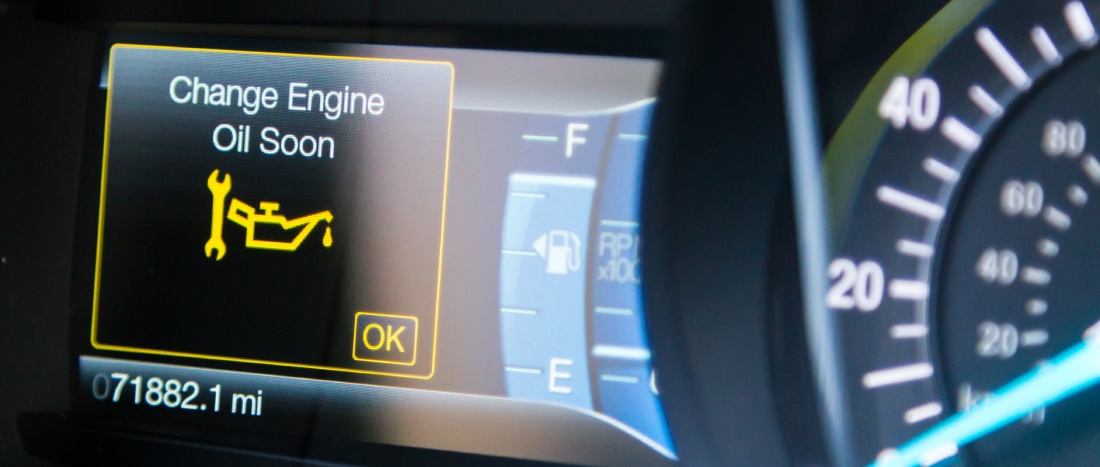
Oil change timing should follow your Nissan maintenance schedule, but driving patterns can influence how often service is needed. The service information referenced by our team notes that oil should be changed about every six months or around every 7,500 to 10,000 miles, depending on the vehicle and operating conditions. That range is a useful guide, but your exact interval may vary by model year, engine type, oil specification, and how the vehicle is used. Short trips around Marlton and Cherry Hill can be harder on oil than many drivers realize because the engine may not always reach full operating temperature long enough to burn off moisture and fuel dilution. Longer highway trips can be easier on oil once the engine is warm, but high mileage still requires consistent maintenance. Watch for warning signs between appointments, including louder engine noise, knocking, smoky exhaust, a check engine light, or oil that looks dark, thick, or gritty. Cherry Hill Nissan uses factory-trained service knowledge to help identify whether a simple oil and filter change is enough or whether another issue needs attention. Delaying service can allow oil to lose its ability to clean, cool, and lubricate, increasing the risk of wear inside the engine.

Which Oil Is Better for Your Nissan?
- Check the owner’s manual: Nissan engineering specifications identify the required viscosity, oil standard, and recommended maintenance schedule for your model.
- Consider engine design: Newer engines often benefit from synthetic oil because of tighter internal clearances and advanced fuel-saving technology.
- Review driving habits: Frequent short trips, traffic, towing, high-mileage commuting, and repeated stop-and-go use can increase oil stress.
- Look at vehicle age: Some older vehicles may still use conventional oil, while many late-model Nissan vehicles call for synthetic or synthetic-blend oil.
- Include inspection time: A quality oil service should also review tire condition, brake wear, battery performance, filters, and visible leaks.

For many drivers, synthetic oil is the better long-term choice because it resists oxidation, flows well at startup, and helps keep internal parts cleaner. That does not mean conventional oil is automatically wrong. If your Nissan is approved for conventional oil and is maintained on schedule, it can still provide dependable protection. The important step is using oil that meets Nissan specifications rather than choosing based only on habit. Our Express Service approach can include oil and filter changes, tire rotation, scheduled maintenance, battery service, air and cabin filter service, wiper blade replacement, and a complimentary multi-point inspection. That inspection can review interior and exterior items, under-hood components, the under-vehicle area, battery performance, brake pad thickness, and tire tread depth.
FAQ
Is synthetic oil always better than conventional oil?
Synthetic oil usually provides stronger resistance to breakdown, better flow consistency, and cleaner engine protection, but the best oil is the one that meets your Nissan model’s required specification. Some vehicles can use conventional oil, while others require synthetic.
Can I switch from conventional oil to synthetic oil?
In most properly maintained engines, switching to synthetic oil is acceptable when the viscosity and specification match the manufacturer’s requirements. A technician can review your mileage, maintenance history, and any existing leaks before making the change.
What happens if I wait too long for an oil change?
Old oil can become dark, dirty, and less effective at lubricating, cooling, and cleaning the engine. Warning signs may include louder engine operation, knocking, smoky exhaust, warning lights, reduced efficiency, or increased internal wear.
Does an oil change include a filter replacement?
A proper oil change should include replacing the oil filter. The filter captures contaminants, and leaving an old filter in place can reduce the benefit of fresh oil.
Do local driving habits affect oil life?
Yes. Short trips, frequent stops, heavy traffic, and mixed commuting around South Jersey can place extra stress on engine oil, even if mileage is not very high.
Schedule Your Next Oil Change With Confidence
Whether your Nissan needs conventional, synthetic-blend, or full synthetic oil, the goal is the same: protect the engine, support smooth performance, and keep maintenance simple. A professional oil change also creates an opportunity to catch small concerns early, from fluid leaks and worn filters to tire, brake, or battery issues. Cherry Hill Nissan is ready to help drivers choose the correct oil type, install the proper filter, and review the vehicle with the care expected from factory-trained technicians. Our service center supports all makes and models, with Nissan vehicles serviced most often, and our online scheduling tool makes it easy to plan maintenance around your day. If you are unsure what oil your vehicle needs, bring your questions with you or contact our service advisors before your visit. We can review your model, mileage, driving habits, and factory guidance so you can make a confident decision. For dependable oil change service near Marlton, NJ, schedule your appointment today and keep your vehicle running strong mile after mile.