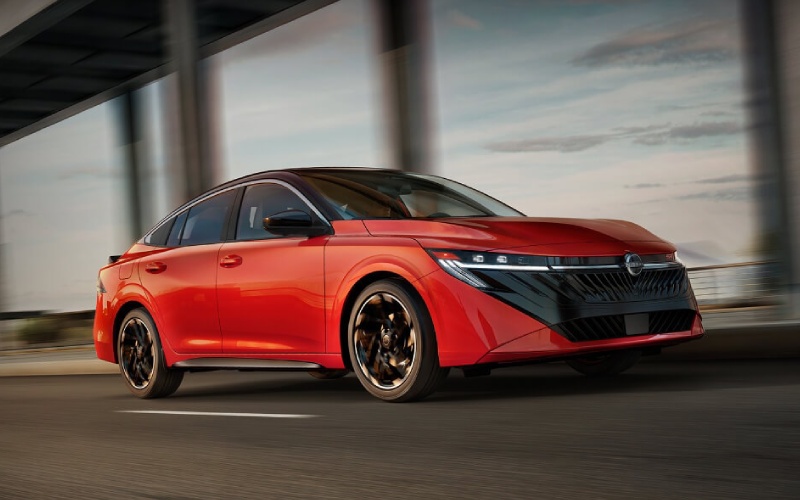
Cherry Hill Nissan - Breathe Easy and Drive Confident — A Practical Guide to Engine and Cabin Air Filters near Mount Laurel, NJ
Clean air is not just a comfort feature — it is a core part of how your vehicle performs and how you feel in the driver’s seat. Between daily commutes on Route 38, quick hops along I-295, and weekend errands through tree-lined neighborhoods, your car is constantly pulling in air filled with dust, fine road particles, and seasonal pollen. The right air filters keep contaminants where they belong and help your vehicle do its best work every day.
This guide breaks down what air filters do, how often to replace them, symptoms to watch for, and what you can expect from a professional service visit. You will also find practical, local tips to help you make smart decisions for your driving around South Jersey.
Engine Air Filter vs. Cabin Air Filter: What Each One Does
Your vehicle has two primary filters that handle air — one protects the engine and one protects you and your passengers. Both matter, but in different ways.
The engine air filter sits upstream of the intake system, blocking dirt and debris before air enters the engine. Good filtration here supports smooth acceleration and consistent fuel economy. The cabin air filter, tucked into the HVAC system, traps dust, pollen, and other airborne irritants before air flows through the vents into your cabin.
- Engine air filter: Screens out dust and debris to protect the intake system, promote efficient combustion, and maintain steady performance.
- Cabin air filter: Traps fine particles — including pollen and roadway dust — to improve in-cabin air quality and help HVAC systems work efficiently.
How Often Should You Replace Air Filters?
Intervals vary by model, driving environment, and filter type. As a general guideline, many drivers replace the cabin air filter about every 12 months and the engine air filter roughly every 15,000 to 30,000 miles. Local conditions can justify shorter intervals — especially if your commute includes construction zones, frequent stop-and-go near shopping corridors, or longer stints on the NJ Turnpike where airflow carries more grit.
- Your typical routes: Heavy traffic on Route 38 and I-295 stirs up fine particulates that accumulate in both filters faster.
- Tree and park proximity: Areas around Laurel Acres Park and neighborhood canopies can increase pollen and leaf debris loading in the cabin filter.
- HVAC usage patterns: Frequent defogging or high fan speeds push more air through the cabin filter, shortening its effective life.
- Manufacturer guidance: Your owner’s manual lists recommended intervals — use it as the baseline, then adjust for your real-world driving.
Common Symptoms That Point to Air Filter Service
You do not need a dashboard light to tell you it is time. Many clues are easy to spot — or smell.
- Sluggish acceleration: A clogged engine air filter can restrict airflow and dull throttle response.
- Reduced fuel efficiency: The engine may compensate for poor airflow, causing noticeable MPG changes.
- Persistent haze or foggy windows: A saturated cabin filter can hamper airflow and defogging performance.
- Musty or dusty cabin odors: Old cabin filters can hold onto odors — carbon-impregnated options help with this.
- Visible dirt on the filter media: If you pull the filter and see dark, packed pleats, replacement is due.
Why Professional Filter Service Matters
Filters seem simple, but fit and sealing are critical. A slightly mis-seated engine air filter can allow unfiltered air to bypass the media, introducing abrasive dust into the intake. On the cabin side, installing a filter backward can reduce airflow and noise control — look for the airflow arrow, not just the frame shape. Professional service also protects nearby components, like the mass airflow sensor on many engines, which can be sensitive to contamination and over-oiling from some aftermarket designs. Choosing the right filter — OEM-equivalent, HEPA-grade, or carbon-activated — depends on your goals for air quality and cabin comfort.
What to Expect During an Air Filter Visit
We inspect the current filters, verify fit and airflow direction, and install quality replacements matched to your model. You can expect a clean seating surface, proper housing reassembly, and a functional check of the HVAC system after a cabin filter install. We can perform air and cabin filter replacements during Express Service — it is a straightforward visit that pairs well with an oil change or multi-point inspection to keep your maintenance on track near Mount Laurel, NJ.
- Quicker, cleaner airflow: Fresher air through vents and quieter fan operation.
- Smoother engine response: Restored intake flow can sharpen throttle feel.
- Less dust on surfaces: Improved filtration reduces cabin dust buildup on dash and screens.
- HVAC efficiency: A new cabin filter can help defog faster and maintain target temps with less effort.
At Cherry Hill Nissan, we use parts that meet your vehicle’s specifications and document service in your records — helpful for warranty compliance and future resale. If you are bundling services, our team can add air filter replacements to your maintenance plan so you do not have to think about it again for many miles.
Ready for cleaner air and confident performance? Schedule your visit or stop in, and our service advisors will recommend the right filter setup for your driving and comfort goals.
Frequently Asked Questions:
What is the difference between a standard cabin filter, a carbon cabin filter, and a HEPA cabin filter?
All three trap dust and pollen. Carbon-activated filters add a layer that helps reduce certain odors and gaseous pollutants. HEPA-style options capture even finer particles — a smart upgrade if you are sensitive to allergens or drive in areas with higher particulate matter.
Can a dirty engine air filter really affect performance and fuel economy?
Yes. The engine meters fuel based on available air. When the filter is clogged, airflow drops, throttle response can feel muted, and the engine may run less efficiently, which can reduce MPG.
How long does an air or cabin filter replacement take?
Most replacements are quick — often completed within the time of a normal oil change or multi-point inspection. Some models place the cabin filter behind the glovebox, which can add a few extra minutes for careful access and reassembly.
Should I replace both the engine and cabin air filters at the same time?
Not always, but it is convenient to check both together. If one is near the end of its life and you are already in for service, many drivers choose to replace both to reset the clock and simplify future maintenance.
Can I clean and reuse my existing filters?
Most OEM-style paper filters are designed for single use. Reusable filters exist, but they require specific cleaning and oiling procedures; improper service can impact sensors and airflow. For most drivers, fresh drop-in replacements are the simplest, most reliable path.
What is the best way to choose a replacement interval for my driving?
Start with the owner’s manual interval, then consider where you drive. If your routine includes stop-and-go near shopping plazas along Route 38 or frequent highway stints that kick up grit, shorten the interval. If cabin air quality is a priority, consider a HEPA or carbon cabin filter and inspect annually.